Buyer's Guide to understanding the property appraisal process
Buyer's Guide to understanding the property appraisal process
Blog Article
Full Property Appraisal: Optimize Your Property's Value
A thorough real estate evaluation functions as an crucial component in ascertaining a dwelling's worth, especially following the loss of a dear family member. It ensures an equitable distribution of assets among inheritors and assists in fulfilling financial obligations. Understanding the different elements shaping valuation is vital. Additionally, selecting the right evaluator can greatly impact the final result. With countless considerations in play, how can property owners effectively get ready for this undertaking?
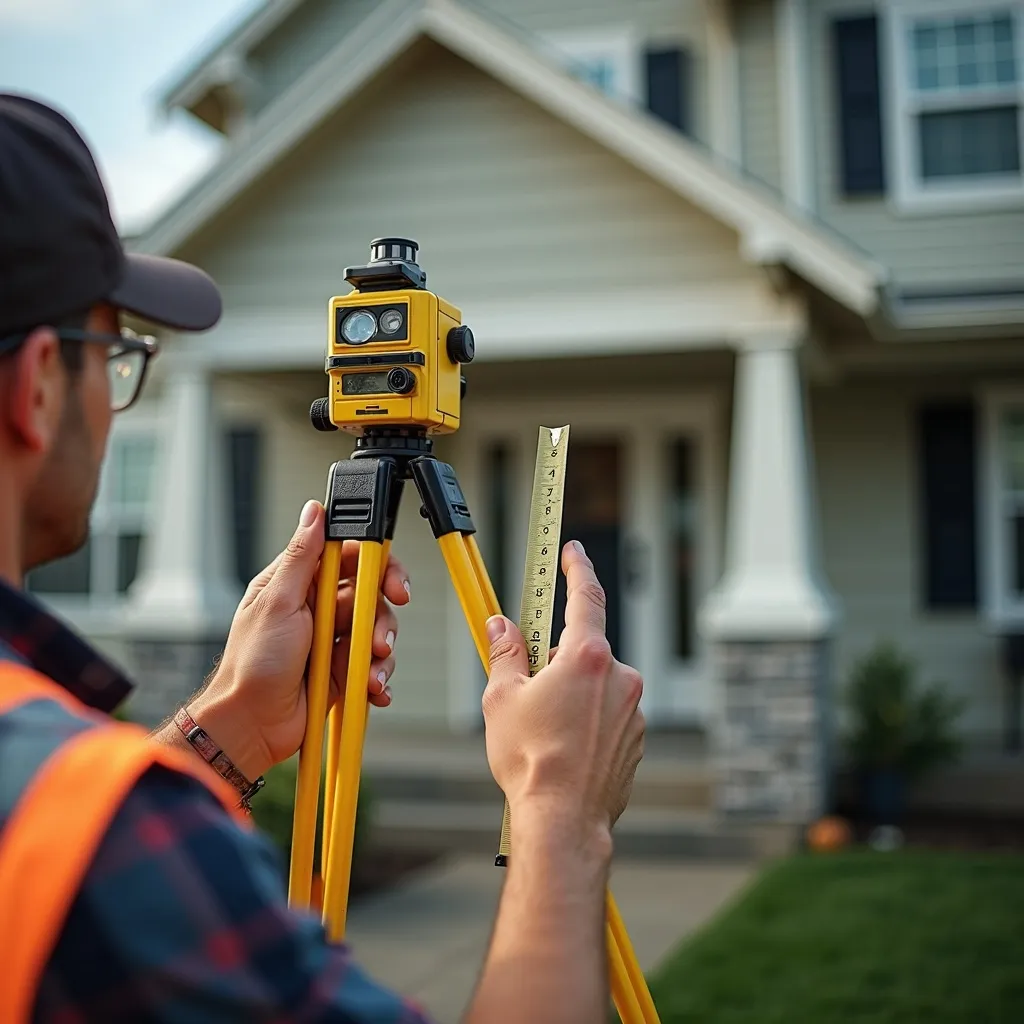
Learning the Goal of an Estate Evaluation
An estate assessment serves as an essential tool in establishing the value of a deceased person's property. This procedure is critical for multiple purposes, mainly to enable the fair allocation of property among inheritors and recipients. It provides a transparent valuation that can aid in settling liabilities and tax obligations, guaranteeing that the property settlement satisfies legal standards. Additionally, an accurate appraisal assists in reducing disputes among family members, thus facilitating a smoother transition during what is often a challenging time.
Furthermore, an property valuation can likewise assist in capturing and recording the assets for future generations. It determines a baseline value that can be referenced for potential future sales or taxation purposes. Ultimately, understanding the goal of an estate appraisal highlights its function in attaining openness and justice in the management of a departed individual's estate, promoting accountable estate planning and execution.
Key Aspects Determining Property Appraisal
Various key factors considerably impact property valuation during an estate appraisal. Location and accessibility regularly determine a property's desirability, while the condition of the property itself may shape its overall worth. Additionally, market trends analysis provides perspective on current economic conditions that influence property values.
Position and Accessibility
Location and proximity serve essential roles in determining property price, shaping buyer preference and market trends. Properties situated in desirable neighborhoods, close to amenities such as schools, shopping centers, and public learn here transportation, often hold higher prices. Also, accessibility to major roadways and employment hubs increases a property’s appeal, making it more inviting to potential buyers. Areas with low crime rates and good school districts typically see increased demand, further pushing up property values. In contrast, properties in remote locations or those with limited access to essential services may suffer decreased valuation. Understanding these factors helps sellers strategically position their properties, boosting marketability and securing ideal returns on investment.
Real Estate Quality Assessment
Beyond location and accessibility, the condition of a property significantly affects its value. Key components include structural soundness, age, and upkeep record. A properly maintained property typically commands a greater asking price, as buyers are often willing to pay a premium for move-in readiness. Conversely, properties needing significant repairs or upgrades may discourage potential buyers, resulting in reduced bids. Additionally, improvements in essential infrastructure—such as plumbing, electrical, and roofing—can enhance value, while neglecting these areas can result in depreciation. A comprehensive property assessment not only pinpoints these factors but also delivers a clear understanding for prospective clients, ultimately affecting the property's marketability and final sale price. Assessing the property's state is, consequently, a crucial component of accurate estate appraisal.
Commercial Directions Inspection
Market trends play a pivotal role in establishing property valuation, influencing buyer behavior and pricing strategies. Factors such as local economic conditions, employment rates, and demographic shifts significantly influence market demand. Additionally, interest rates and financing availability dictate how buyers engage in property purchases. Seasonal trends often impact buyer activity, with certain periods experiencing increased sales volumes. Furthermore, neighborhood developments, such as new amenities or infrastructure projects, can improve property desirability. Understanding these dynamics allows appraisers and property owners to adjust their strategies accordingly. By closely tracking these trends, stakeholders can make informed decisions, ensuring that property valuations represent current market realities and increasing potential returns. Ultimately, a thorough market trends analysis is essential for effective estate appraisal.
Guide to Picking a Qualified Appraiser
Selecting a competent evaluator demands careful consideration of several key factors. Credentials and experience are critically important, as does the appraiser's knowledge of the local market. Additionally, comprehending the valuation methods employed can significantly impact the precision and dependability of the real estate assessment.
Credentials and Experience
When choosing a qualified appraiser, it is essential to assess their credentials and experience, as these factors strongly influence the accuracy and reliability of the appraisal. A licensed appraiser typically holds an suitable designation from a established professional organization, such as the Appraisal Institute or the American Society of Appraisers. Additionally, substantial experience in the field, particularly with the type of property being appraised, is important. Prospective clients should question about the appraiser's history, including the total of appraisals completed and any areas of expertise. It's also beneficial to investigate continuing education, which reflects a commitment to maintaining current knowledge of industry standards and practices. Collectively, these elements ensure a well-rounded professional capable of delivering accurate appraisals.
Local Market Familiarity
Understanding local market dynamics is essential for choosing a qualified appraiser, as their knowledge of the region can greatly impact the appraisal's accuracy. An appraiser with comprehensive understanding of the area property market will be more capable to evaluate property values based on recent sales, neighborhood trends, and economic indicators. It is recommended to seek out appraisers who have operated in the particular area for several years, as they will have insights into distinctive elements affecting property worth. Additionally, checking for regional credentials or affiliations with professional organizations can additionally verify an appraiser's expertise. Ultimately, selecting someone well-versed in local market conditions can lead to a increasingly accurate and advantageous property valuation.
Assessment Methodology Employed
The valuation method employed by a qualified appraiser is a critical factor influencing property assessment. Appraisers generally use three main approaches: the comparative market analysis, the cost approach, and the income approach. The comparative market analysis evaluates similar properties recently sold in the area, while the replacement cost method calculates the expense of reconstructing the property minus wear and tear. The income approach is often applied for investment properties and calculates potential revenue generation. When choosing an appraiser, individuals should emphasize qualifications, such as licenses and expertise. It is also essential to evaluate their familiarity with area market conditions and property types. A knowledgeable professional can provide a comprehensive evaluation, guaranteeing accurate and beneficial property valuation for succession planning.
Ready Your Property for an Appraisal
Getting a property ready for appraisal is important for achieving an reliable valuation. Homeowners should start by making sure that the property is organized and free of clutter, which permits appraisers to see its full potential. Simple cosmetic improvements, such as fresh paint or minor repairs, can greatly enhance appeal.
Furthermore, it is suggested to collect relevant documents, such as prior appraisals, tax assessments, and property disclosures, as these offer important context for the appraiser. Landscaping should likewise be addressed; well-kept gardens and lawns can make a positive first impression.
To summarize, property owners should be prepared to provide a list of unique features and upgrades, as these elements may affect the overall value. By following these steps, homeowners can facilitate an easier appraisal process and potentially increase their estate's worth.
Frequent Real Estate Appraisal Missteps to Circumvent
Multiple typical blunders can hinder the estate evaluation process and conceivably produce flawed values. One typical blunder is neglecting to give complete and accurate property details. Fragmentary information can bias the appraiser's grasp, producing calculation mistakes. Another error is overlooking current market conditions and similar properties, which can substantially affect property values. Disregarding essential improvements or repairs also poses a challenge; appraisers should examine the property's existing status properly.
Additionally, relying solely on digital assessment platforms can mislead owners, as these tools often lack local market subtleties. Emotional attachment to the property may obscure judgment, resulting in unrealistic expectations regarding value. Finally, not engaging a certified appraiser can jeopardize the appraisal's integrity. By avoiding these typical mistakes, property owners can ensure a more accurate and advantageous estate appraisal.
Boost Your Real Estate Value Using These Methods
Elevating property value requires a well-planned strategy that encompasses both aesthetic and functional improvements. First, boosting exterior attractiveness is crucial; basic yard work, new paint, and tidy pathways can create a memorable initial impact. Inside, updating kitchens and bathrooms often yields the highest returns. Modern fixtures and energy-efficient appliances can draw in prospective purchasers.
Additionally, organizing and preparing the home makes it more welcoming and allows prospective purchasers to picture themselves living in the space. Making small fixes, such as fixing leaky faucets or replacing worn flooring, can also greatly enhance appeal.
Additionally, integrating smart home technology offers a modern advantage that many purchasers are looking for. Finally, comprehending area market trends and pricing strategically can place the property positively. By applying these approaches, property investors can enhance their property's value and ensure a more positive appraisal outcome.
Next Steps After Your Property Appraisal?
After putting into action approaches for improving property value, the following actions after an appraisal are essential. Property owners should first examine the appraisal report carefully, ensuring they understand the valuation and any factors influencing it. If discrepancies or concerns arise, it is crucial to address them quickly, potentially through a conversation with the appraiser.
Next, property owners should think about their financial goals. Whether planning to sell, obtain new financing, or retain the property, matching approaches with the appraisal findings is essential. For those selling, using the appraised value can guide pricing and marketing strategies effectively.
Furthermore, homeowners might seek input from property experts for insights on current trends, making sure they benefit from their property's worth. Ultimately, staying informed about continuous property upgrades and market dynamics can help maintain or boost value over time, rendering the assessment a foundational tool in long-term property management and strategy.
Standard Questions Clarified
What Number of Times Should I Get My Property Appraised?
Authorities advise property assessments every three to five years, or upon major shifts, such as renovations or market fluctuations. Ongoing evaluations validate property values mirror current conditions, enabling informed selections for owners and potential buyers.
May I appeal an assessed value I have reservations regarding?
Yes, an party can challenge an appraised value they object to. This course of action generally includes furnishing evidence supporting their argument, such as comparable sales or property condition, to the relevant authority or appraisal board for review.
Which Documents Are Essential for an Appraisal?
An appraisal demands vital paperwork which generally contain property deeds, previous appraisals, tax assessments, renovation records, and any relevant photographs. These materials facilitate the appraiser in accurately assessing the property's current market value.
How Long Is Required for a Standard Estate Appraisal?
A property appraisal typically requires between one to three hours, based on the size and complexity of the property. However, final reports may need additional time for documentation and review before completing and delivering to the client.
Does an Appraisal Value Influence My Property Taxes?
An property valuation can substantially influence property taxes. Local tax authorities often utilize appraised values to establish tax assessments, meaning a higher appraisal may produce increased property taxes, impacting the owner's financial responsibilities.
Report this page